
How to Handle Building Rules, Elevators, and Tight Spaces
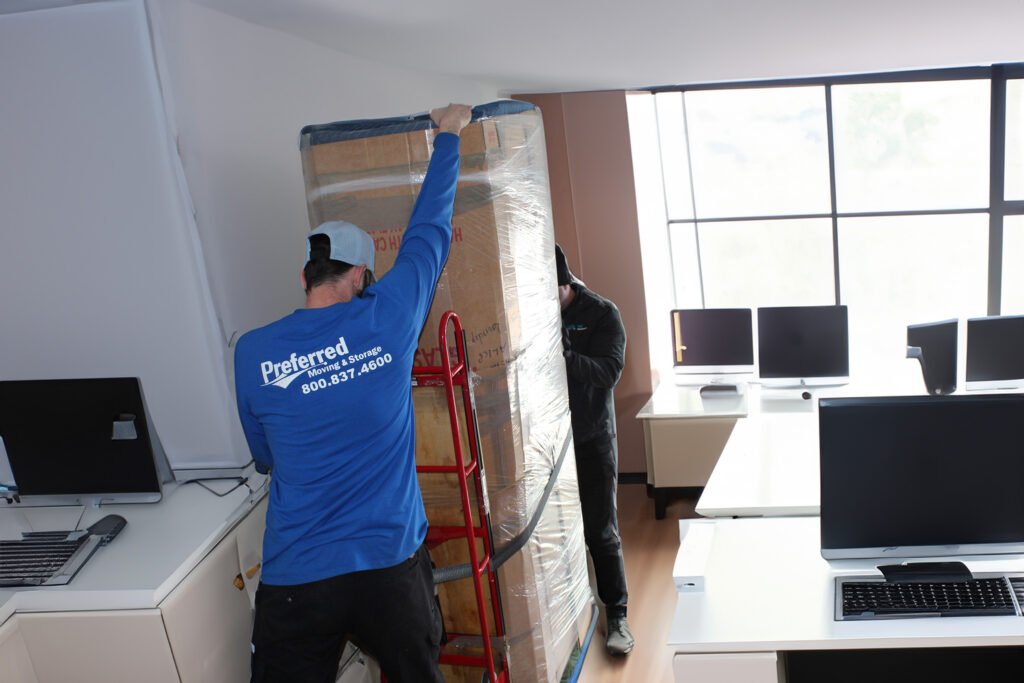
Moving into a new apartment or condo brings plenty of excitement, but managing the logistics of multi-family buildings can quickly become overwhelming. Between strict homeowners association (HOA) guidelines, scheduled elevator windows, and tight stairwells, high-density moves require careful planning and specialized handling.
Whether you are relocating across town or settling into a high-rise, these expert strategies from Preferred Moving & Storage will help you navigate small-space logistics and building rules with ease.
1. Confirm Building Rules and Reserve Logistics Early
Unlike single-family home relocations, moving an apartment or condo requires coordinating directly with property management. Skipping this step can lead to unexpected delays or fines on move-in day.
- Reserve the Elevator: Contact your building manager as early as possible to lock in a dedicated service or freight elevator window.
- Verify Move-In Hours: Many condo associations restrict moving activities to specific weekday hours to avoid disturbing neighbors.
- Secure Parking Permits: Ensure the moving truck has designated parking near the loading dock or building entrance to minimize walk times and keep loading efficient.
- Request Certificate of Insurance (COI): Most managed buildings require a COI from your moving company before allowing equipment on-site. Professional teams routinely issue these documents directly to property managers prior to the move.
2. Protect Common Areas and Avoid Security Deposit Dings
High-traffic building areas like hallways, doorways, and elevators are prone to scrapes and scuffs during a big move. Property managers inspect these spaces closely, so proactive protection is essential for keeping your deposit intact.
- Use Door Frame and Wall Protectors: Wrap door jams and corners with thick padded covers before hauling large furniture items.
- Lay Down Floor Runners: Protect hardwood, tile, and carpet in shared hallways using heavy-duty neoprene or cardboard runners.
- Pad the Elevator Cab: Check if your building provides elevator wall pads, or verify that your movers supply specialized moving blankets for interior elevator protection.
3. Master Tight Spaces with Smart Prep and Packing
Navigating narrow hallways, sharp turns, and compact stairwells requires strategic disassembly and streamlined box counts.
- Disassemble Main Furniture Pieces: Take down bed frames, dining table legs, and sectional sofas before the crew arrives to make negotiating narrow corners significantly easier.
- Measure Doorways and Hallways First: Use a tape measure to check sofa dimensions, dressers, and entryway widths to spot potential tight fits before moving day.
- Consolidate into Uniform Boxes: Stacking uniform, sturdy boxes onto hand trucks makes moving through long apartment corridors faster and safer.
4. Partner with Michigan Small Move Specialists
Hiring experienced apartment movers in Michigan ensures your move goes smoothly from start to finish. Professional small move specialists bring the right equipment, proper insurance, and hands-on experience needed to tackle complex building layouts effortlessly.
Make Your Next Apartment or Condo Move Effortless
Relocating into an apartment or condo does not have to be stressful. By coordinating with your building management ahead of time and working with an experienced team, you can look forward to settling into your new space with complete confidence.
Contact Preferred Moving & Storage today to request your free moving quote and learn more about our specialized apartment moving services.